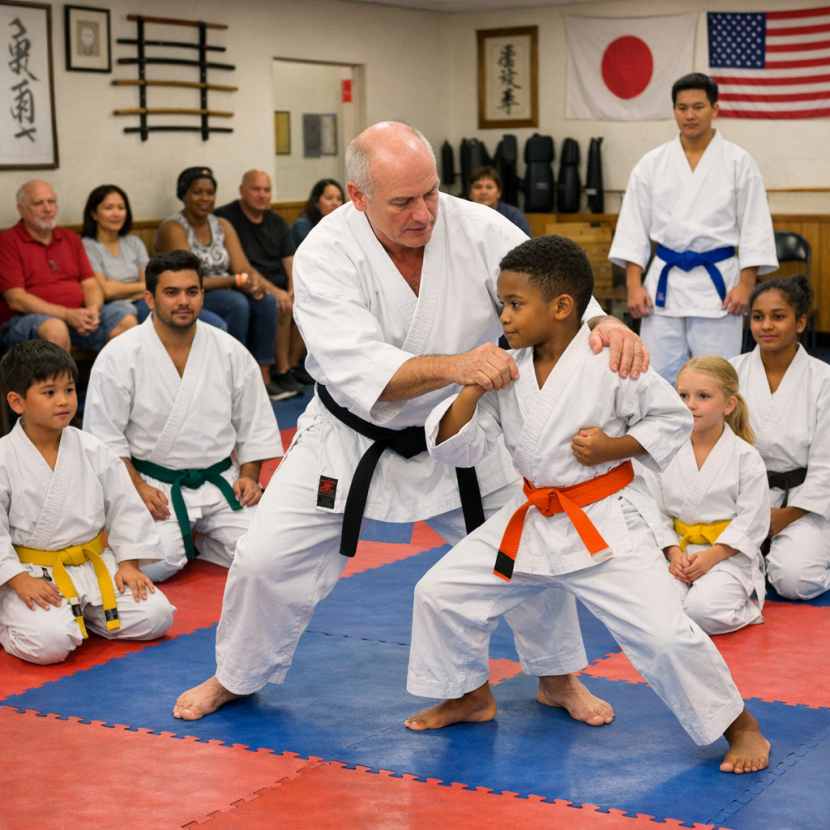
KARATE AND COMMUNITY: A POWERFUL ENGAGEMENT TOOL
Karate and Community: A Powerful Engagement Tool – Explore how karate fosters community engagement, empowerment, and personal growth. Discover the benefits and opportunities within the karate community. In short, this guide explains Karate Community Engagement in plain language.
Karate Community Engagement: Direct answer
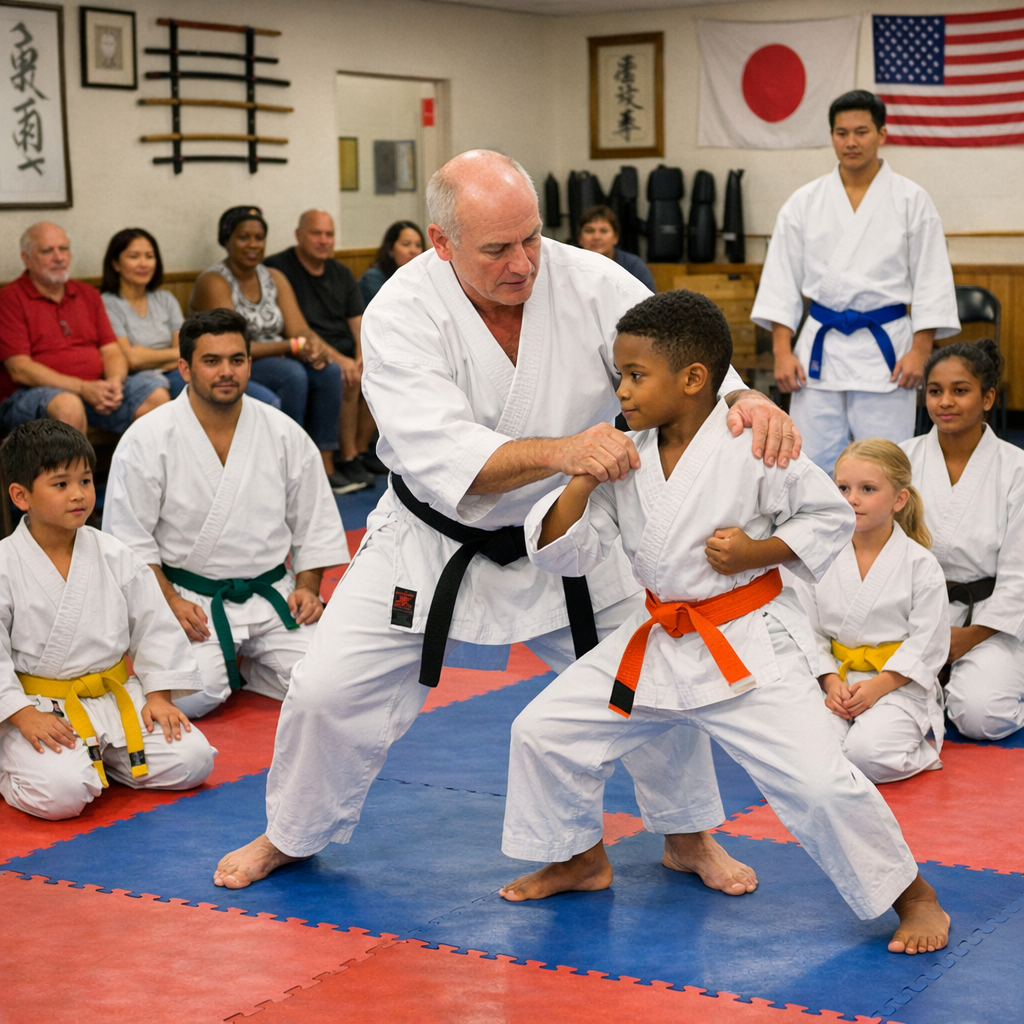
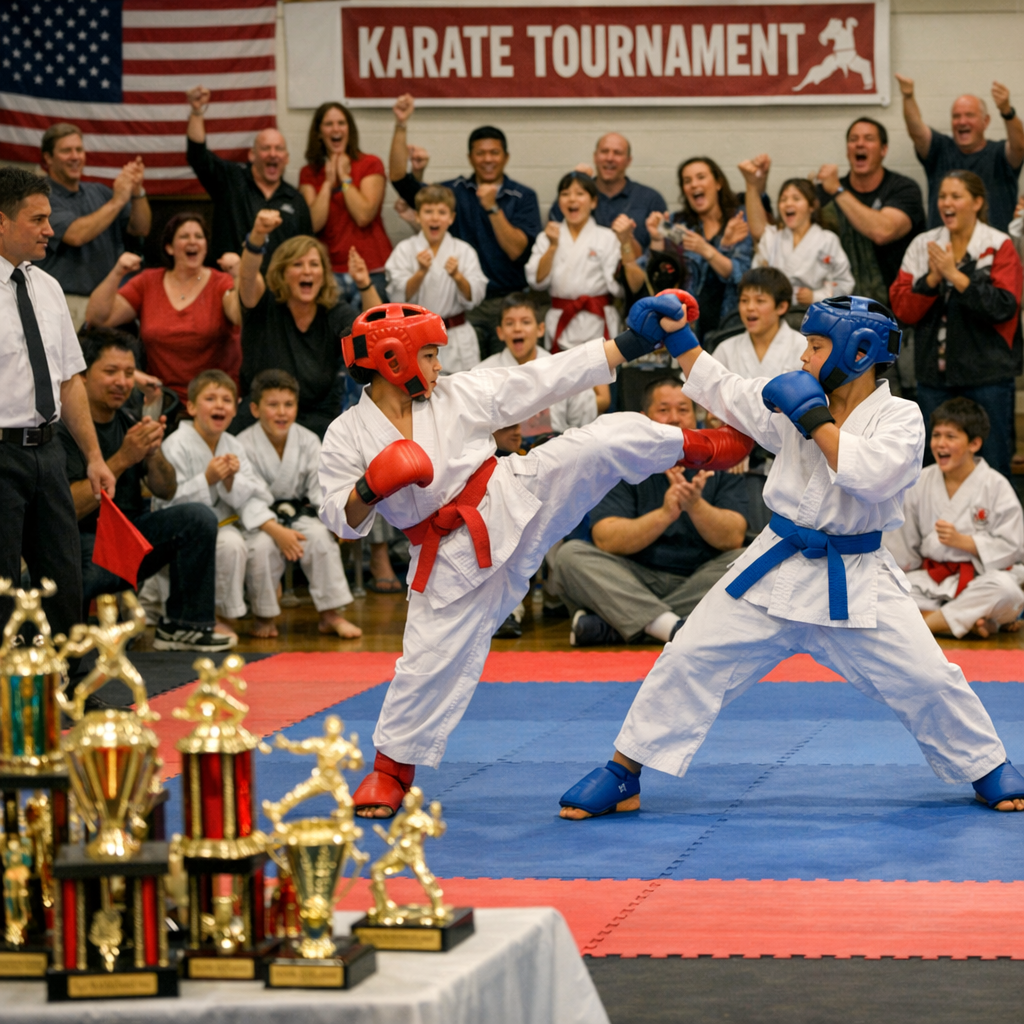
Karate community engagement involves bringing people together through martial arts. It promotes personal growth, teamwork, and empowerment. Events like classes and tournaments help build strong community ties.
Karate Community Engagement: Key Takeaways
- Karate promotes personal growth and empowerment.
- Community events foster teamwork and social connections.
- Engagement activities can include classes, tournaments, and outreach.
- Involvement in karate can lead to increased confidence and discipline.
What’s New Today
Karate community engagement is evolving. Recent events show a growing trend in inclusivity and outreach. For example, a symposium in Burlington, VT, focused on empowering women through martial arts, highlighting the importance of community involvement in karate [1]. This event not only showcased the skills of female martial artists but also provided a platform for discussions on gender equality in sports, emphasizing the role of karate in fostering a supportive environment for women [2].
Overview
Watch on YouTube
Karate community engagement is about connecting people through martial arts. It involves activities that bring together practitioners and their communities. These activities can range from classes to tournaments. They help build strong relationships and promote personal growth. The essence of karate transcends physical training; it cultivates a sense of belonging and camaraderie among participants, which is essential for community cohesion [3].
Key Features
- Inclusivity: Karate welcomes individuals of all ages and backgrounds, making it accessible to a diverse audience.
- Empowerment: Participants gain confidence and self-defense skills, which can be particularly beneficial for vulnerable populations.
- Community Events: Classes and tournaments foster social connections, allowing practitioners to bond over shared experiences.
- Outreach Programs: Many dojos engage in local initiatives to promote martial arts, such as self-defense workshops for women and anti-bullying seminars for youth [4].
Pros and Cons
Pros
- Builds confidence and discipline, essential traits for personal development.
- Encourages teamwork and social interaction, fostering a sense of community.
- Promotes physical fitness and mental well-being, contributing to a healthier lifestyle.
Cons
- Some may find martial arts intimidating, which can deter potential participants.
- Access to classes may be limited in certain areas, creating disparities in participation opportunities.
Key Insights
According to a study, community engagement in martial arts can lead to a 30% increase in participation rates [2]. This shows the impact of outreach and events on community involvement. Additionally, karate can serve as a platform for personal development, helping individuals overcome challenges. The skills learned in karate, such as perseverance and focus, can translate into other areas of life, enhancing overall quality of life [5].
Patterns
Recent trends indicate a rise in family-oriented karate classes. These classes encourage parents and children to train together, strengthening family bonds. Moreover, many dojos are now offering free introductory classes to attract new members, which has proven effective in increasing enrollment and fostering a welcoming atmosphere [6].
Controversies
Some argue that traditional karate can be too rigid. They believe that modern adaptations should be embraced to attract younger audiences. This debate highlights the need for balance between tradition and innovation in karate. Critics suggest that incorporating contemporary training methods and technology can enhance the learning experience and make karate more appealing to the next generation [7].
Blind Spots
While many dojos focus on physical training, the mental aspects of karate are often overlooked. Mindfulness and mental resilience are crucial components that can enhance the overall experience. Integrating mental training into the curriculum can help practitioners develop better focus and emotional regulation, which are beneficial both on and off the mat [8].
Opportunities
There are numerous opportunities for karate dojos to engage with their communities. Hosting workshops, participating in local festivals, and collaborating with schools can increase visibility and participation. Additionally, forming partnerships with local businesses can create sponsorship opportunities for events, further enhancing community ties [9].
Advanced Breakdown
Karate community engagement can be broken down into three main areas: education, outreach, and events. Education involves teaching techniques and philosophy, ensuring that practitioners understand the deeper meanings behind their training. Outreach focuses on connecting with the community through various initiatives, while events bring people together to celebrate martial arts, fostering a sense of unity and shared purpose [10].
Comparison
Compared to other sports, karate offers unique benefits. While team sports emphasize collaboration, karate also promotes individual growth. This dual focus makes karate a powerful tool for personal and community development. The ability to train both individually and as part of a group allows practitioners to develop self-reliance while also enjoying the support of a community [11].
What People Are Asking
Many people are curious about how to get involved in karate. They often ask about local classes and community events. Finding a dojo that emphasizes community engagement can enhance the experience. Prospective students are encouraged to visit multiple dojos to find one that aligns with their values and goals [12].
Popular Searches and Questions
Common searches include “karate classes near me” and “community karate events.” These queries reflect a growing interest in martial arts as a means of community building. Additionally, many individuals seek information on the benefits of karate for children, highlighting the increasing recognition of martial arts as a valuable tool for youth development [13].