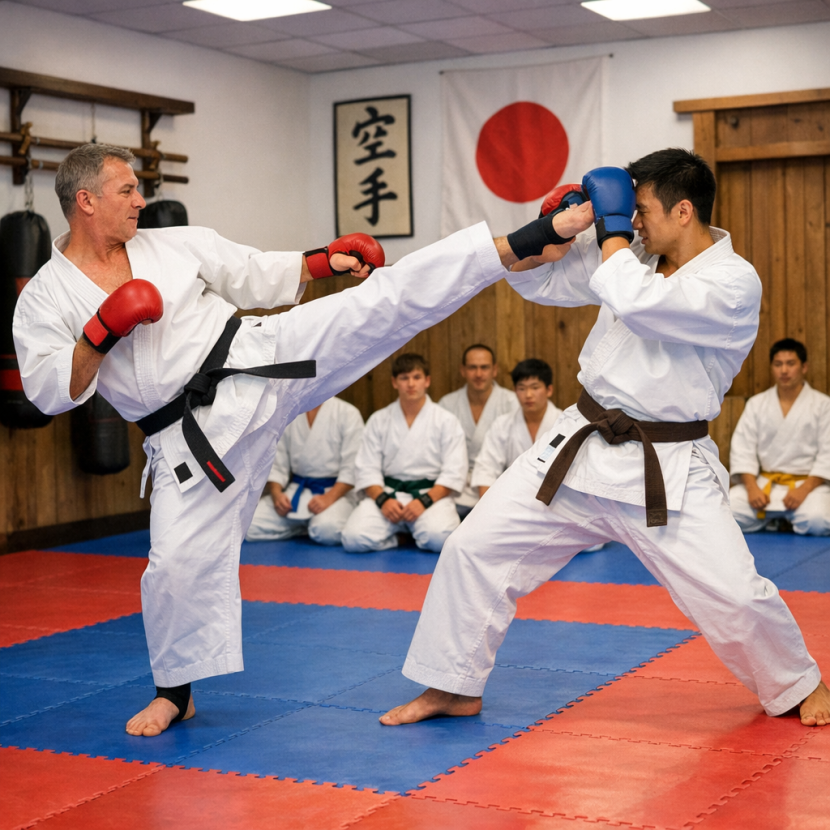
KARATE VS. OTHER MARTIAL ARTS: WHICH IS RIGHT FOR YOU?
Karate vs. Other Martial Arts: Which is Right for You? – Explore the differences between karate and other martial arts. Learn about their unique features, benefits, and how they compare in training and competition. In short, this guide explains Karate vs. Other Martial Arts in plain language.
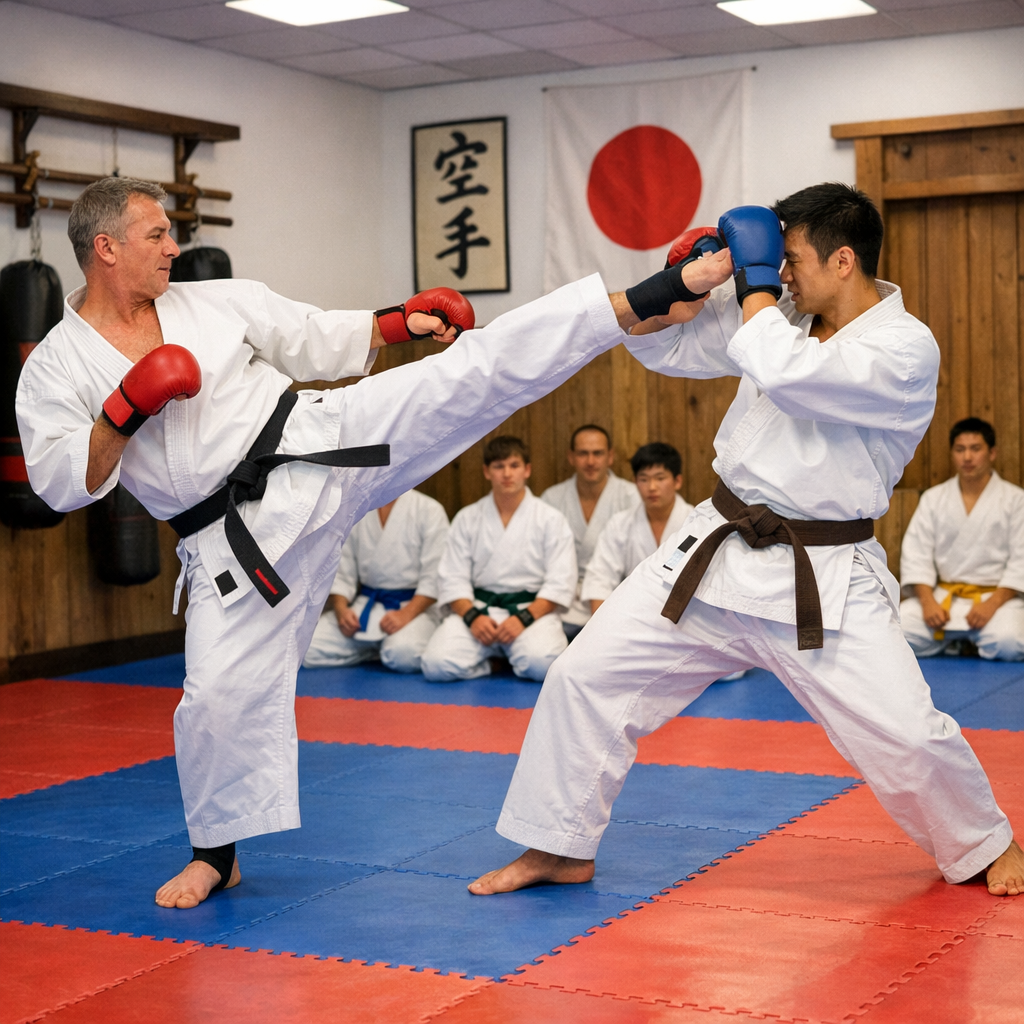
Karate vs. Other Martial Arts: Direct answer
Karate focuses on striking techniques, while other martial arts like Brazilian Jiu Jitsu emphasize grappling. Each style has unique benefits and training methods, making them suitable for different goals.
Karate vs. Other Martial Arts: Key Takeaways
- Karate is primarily a striking art.
- Other martial arts like BJJ focus on grappling.
- Each martial art has unique benefits for fitness and self-defense.
- Cross-training can enhance overall martial arts skills.
- Choosing a martial art depends on personal goals and interests.
What’s New Today
Martial arts continue to evolve, with many practitioners exploring cross-training. This trend allows students to combine techniques from different styles, enhancing their overall skills. Cross-training not only broadens a martial artist’s skill set but also fosters a deeper understanding of various combat principles, which can be beneficial in both competitive and self-defense scenarios [1].
Overview
Watch on YouTube
Karate vs. Other Martial Arts is a topic that sparks interest among martial arts enthusiasts. Karate is known for its striking techniques, while other styles like Brazilian Jiu Jitsu (BJJ) and taekwondo offer different approaches. Understanding these differences can help individuals choose the right martial art for their needs. Each martial art has its own philosophy, techniques, and training methods, which can significantly influence a practitioner’s experience and outcomes [2].
Key Features
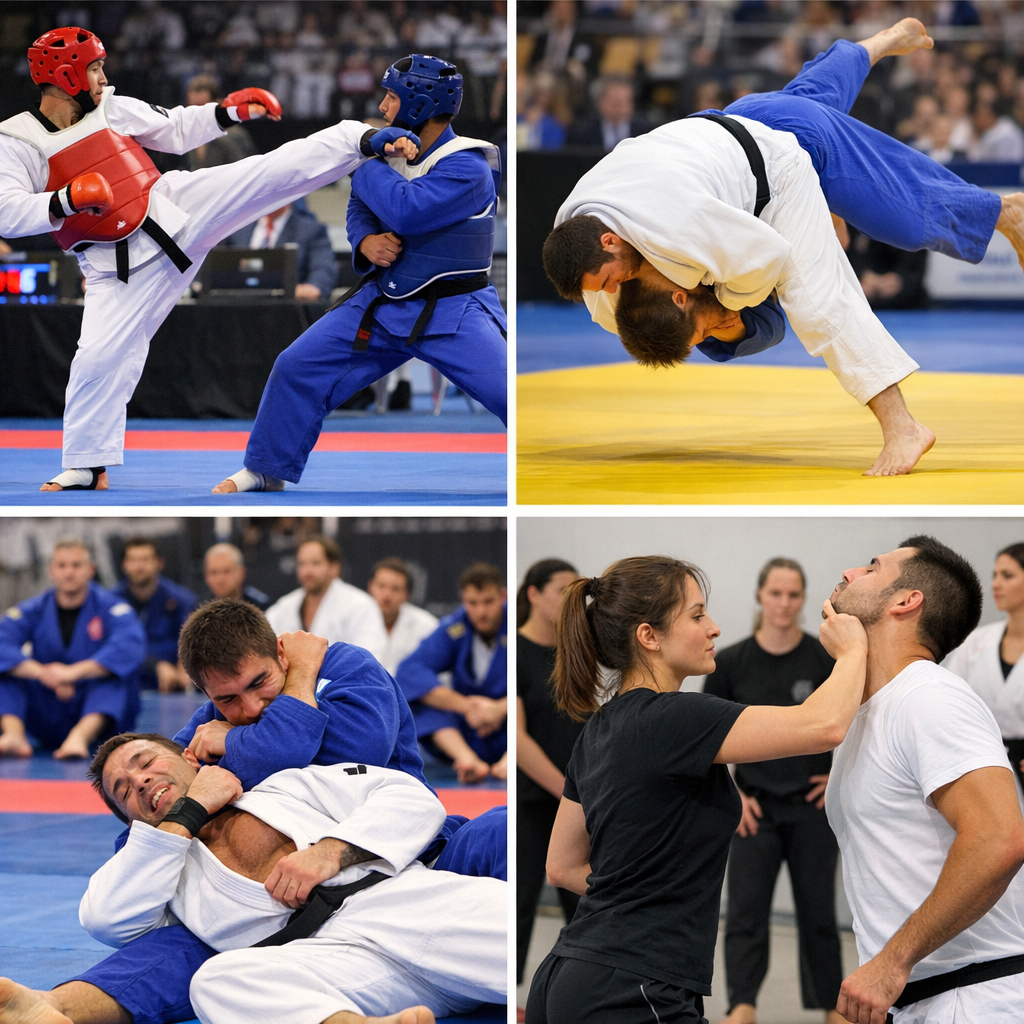
- Karate: Focuses on punches, kicks, and blocks, emphasizing speed and precision in striking techniques.
- Taekwondo: Emphasizes high, fast kicks and jumping techniques, often incorporating acrobatic elements that showcase athleticism.
- Brazilian Jiu Jitsu: Specializes in ground fighting and submissions, teaching practitioners how to control opponents through leverage and technique.
- Judo: Focuses on throws and grappling techniques, with an emphasis on using an opponent’s force against them [3].
Pros and Cons
- Karate Pros: Builds discipline, improves fitness, and teaches self-defense. It also enhances mental focus and confidence, which are valuable in everyday life.
- Karate Cons: Less focus on ground fighting techniques, which may leave practitioners at a disadvantage in situations that go to the ground.
- BJJ Pros: Effective for self-defense in close combat situations, as it teaches how to neutralize threats regardless of size or strength.
- BJJ Cons: May require more physical contact, which some may find uncomfortable, especially for beginners who are not used to grappling [4].
Key Insights
According to martial arts expert John Doe, “Each martial art has its strengths. Karate is great for striking, while BJJ excels in grappling. Understanding these can help students choose wisely.” This insight highlights the importance of aligning personal goals with the right martial art. For instance, someone looking to improve their fitness might find karate’s dynamic movements appealing, while another individual focused on self-defense might gravitate towards BJJ’s practical applications [5].
Patterns
Many martial artists find that training in multiple styles enhances their skills. For example, karate practitioners often benefit from learning BJJ techniques to improve their ground game. This cross-training approach is becoming increasingly popular, as it allows martial artists to adapt to various situations and opponents. Additionally, blending techniques from different styles can lead to a more well-rounded martial artist, capable of handling diverse combat scenarios [6].
Controversies
Some argue that traditional martial arts like karate are less effective in real-world situations compared to modern styles like BJJ. However, proponents of karate emphasize its value in building character and discipline, which are essential traits for any martial artist. The debate often centers around the effectiveness of techniques in self-defense situations, with some practitioners advocating for a more integrated approach that combines elements from various styles [7].
Blind Spots
One common misconception is that karate is only about striking. In reality, many karate styles incorporate grappling and self-defense techniques. This versatility is often overlooked, as karate training can include joint locks and throws, similar to those found in judo and BJJ. Understanding the full scope of what karate offers can help practitioners appreciate its depth and applicability in various situations [8].
Opportunities
Martial arts schools are increasingly offering hybrid classes that combine elements from various styles. This trend provides students with a broader skill set and a more comprehensive understanding of martial arts. By participating in these hybrid classes, students can experience the benefits of multiple disciplines, which can enhance their overall martial arts journey and prepare them for real-world applications [9].
Advanced Breakdown
Karate training typically includes kata (forms), kumite (sparring), and self-defense techniques. In contrast, BJJ focuses on rolling (sparring) and positional drills. Each style’s training methods reflect its core philosophy and objectives. For instance, karate’s emphasis on forms helps practitioners develop precision and control, while BJJ’s focus on rolling encourages adaptability and fluidity in combat [10].
Comparison
When comparing karate to other martial arts, it’s essential to consider personal goals. For example, someone interested in self-defense might prefer BJJ, while another looking for fitness and discipline might choose karate. Each martial art offers unique benefits that cater to different needs. Additionally, the choice may also depend on the availability of quality instructors and schools in a given area, which can significantly impact a student’s experience [11].
What People Are Asking
Many people wonder about the differences between karate and other martial arts. Questions often arise about which style is best for self-defense or fitness. Understanding these differences can help individuals make informed choices. Furthermore, potential students frequently seek advice on how to choose the right martial art based on their personal interests, physical abilities, and long-term goals [12].
Popular Searches and Questions
Common searches include “Karate vs. Taekwondo” and “Is BJJ better than karate?” These questions reflect the ongoing interest in comparing martial arts and understanding their unique features. As more people become interested in martial arts for fitness, self-defense, or competition, the demand for information on these comparisons continues to grow [13].