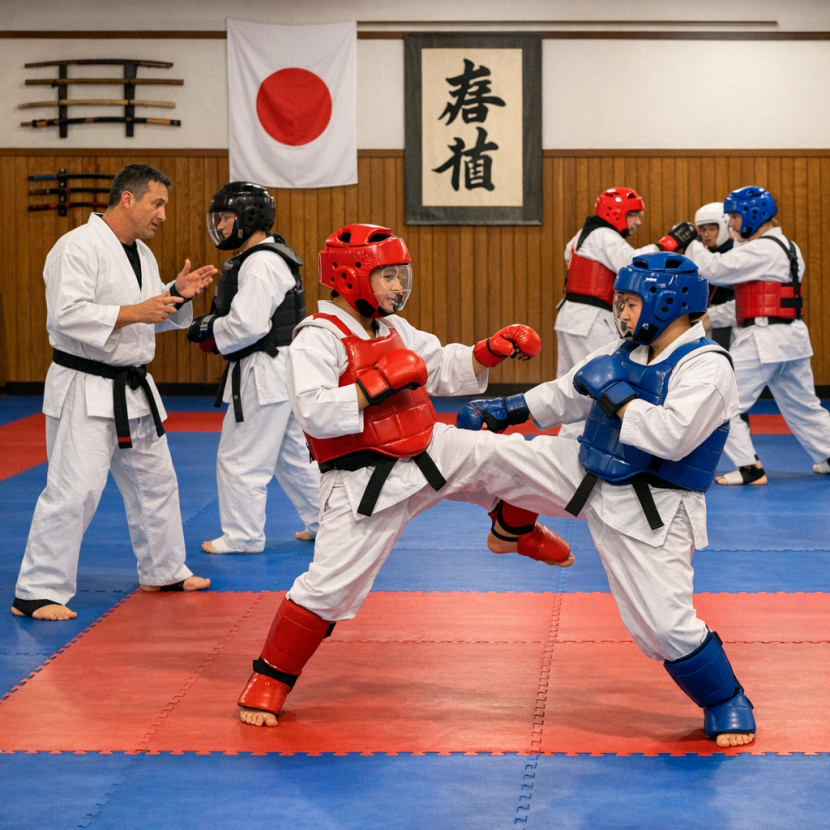
THE ESSENTIAL GUIDE TO MARTIAL ARTS RULES
The Essential Guide to Martial Arts Rules – Explore the essential rules and regulations of martial arts. Learn about safety, competition guidelines, and the importance of discipline in training. In short, this guide explains martial arts rules and regulations in plain language.
martial arts rules and regulations: Direct answer
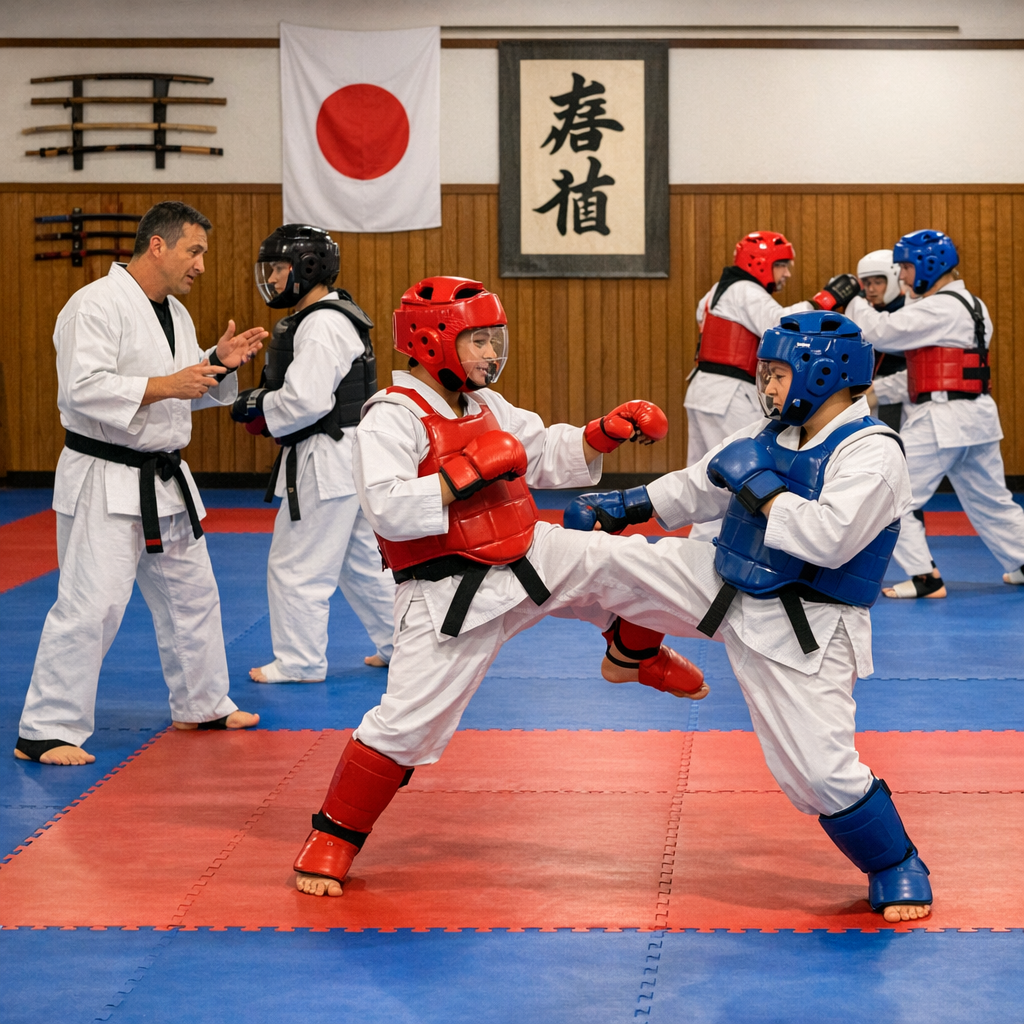
Martial arts rules and regulations ensure safety and fairness in training and competitions. They cover everything from sparring techniques to attire and conduct. Understanding these rules is essential for all practitioners.
martial arts rules and regulations: Key Takeaways
- Martial arts rules promote safety and discipline.
- Different styles have unique regulations.
- Competitions require strict adherence to rules.
- Understanding rules enhances training effectiveness.
- Respect and sportsmanship are core values.
What’s New Today
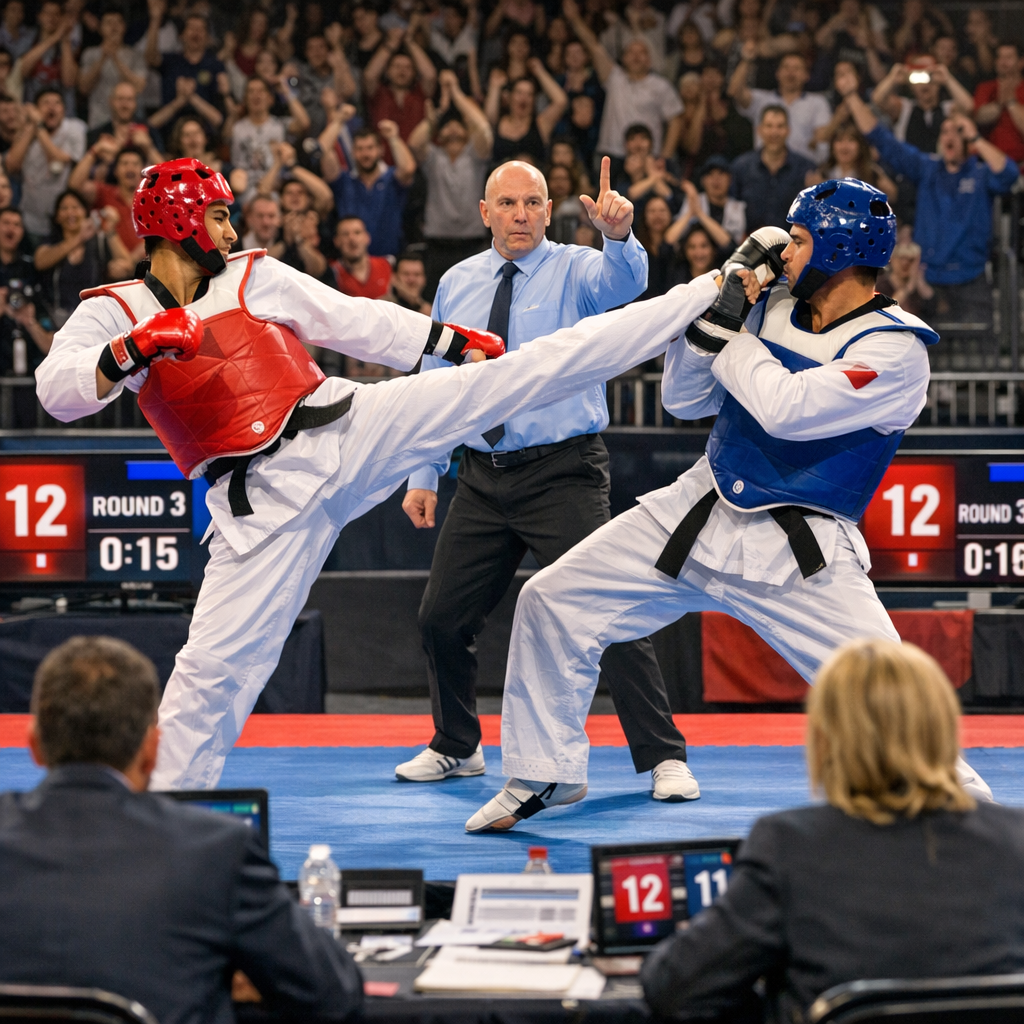
Martial arts continue to evolve, with new rules and regulations being introduced regularly. For instance, many organizations are now emphasizing safety gear to prevent injuries during sparring. This shift reflects a growing awareness of the importance of protecting athletes in all forms of martial arts. Recent studies indicate that the implementation of these safety measures has led to a significant decrease in injury rates, underscoring the necessity of such regulations in modern practice [1].
Overview
Watch on YouTube
Martial arts rules and regulations are essential for maintaining order and safety in training and competitions. They cover various aspects, including conduct, attire, and techniques. Understanding these rules is crucial for practitioners at all levels, as they not only ensure safety but also promote a culture of respect and discipline within the martial arts community. Each martial art has its own unique set of rules, which can vary widely, making it important for practitioners to familiarize themselves with the specific regulations of their chosen discipline [2].
Key Features
- Safety Guidelines: Rules often include mandatory protective gear during sparring, such as headgear, mouthguards, and shin guards, to minimize the risk of injury [3].
- Competition Regulations: Each martial art has specific rules for scoring and conduct during matches. For example, in taekwondo, points are awarded for controlled kicks and punches, while in Brazilian jiu-jitsu, points are given for positional control and submissions [4].
- Training Protocols: Guidelines for behavior and respect in the dojo or training environment are crucial. These protocols often include bowing to instructors and fellow students, which reinforces the values of humility and respect [5].
Pros and Cons
Pros
- Enhances safety for all participants, reducing the likelihood of injuries during training and competitions.
- Promotes discipline and respect among practitioners, fostering a positive training environment.
- Creates a fair competitive environment, ensuring that all participants have an equal opportunity to succeed based on skill rather than luck or aggression [6].
Cons
- Some rules may seem restrictive to advanced practitioners, who may feel limited in their ability to express their skills fully.
- Variations in rules can confuse newcomers, making it challenging for them to navigate different styles and competitions [7].
Key Insights
According to a study by the Virginia Department of Professional and Occupational Regulation, adherence to safety rules can reduce injury rates by up to 30% in martial arts competitions [8]. This statistic highlights the importance of understanding and following martial arts rules and regulations. Furthermore, organizations that prioritize safety often see higher participation rates, as athletes feel more secure in their training environments [9].
Patterns
One common pattern in martial arts is the emphasis on respect. Practitioners are taught to respect their instructors, peers, and the art itself. This respect is often codified in the rules, which dictate behavior in and out of the dojo. For instance, many styles require students to bow upon entering and leaving the training area, symbolizing their respect for the space and those within it [10].
Controversies
Some martial arts styles face controversies regarding their rules. For example, mixed martial arts (MMA) has been criticized for its lenient rules on strikes and submissions. Critics argue that this can lead to serious injuries, while supporters claim it allows for a more dynamic competition. The debate continues as organizations strive to balance safety with the excitement of the sport [11].
Blind Spots
One blind spot in martial arts rules is the lack of uniformity across different styles. While some organizations have standardized rules, many still operate independently. This can create confusion for practitioners who switch styles or compete in different events. The absence of a universal governing body for martial arts further complicates this issue, as each organization may prioritize different aspects of training and competition [12].
Opportunities
There is an opportunity for martial arts organizations to collaborate on creating a unified set of rules. This could enhance safety and clarity for practitioners, making it easier for them to transition between styles and competitions. Such collaboration could also lead to increased participation in martial arts, as potential students may feel more confident in a standardized system [13].
Advanced Breakdown
Martial arts rules can be broken down into several categories: safety regulations, competition rules, and training protocols. Each category serves a specific purpose and is designed to protect practitioners while promoting fair play. Safety regulations focus on minimizing injury risks, competition rules ensure fairness in scoring and conduct, and training protocols foster respect and discipline among students [14].
Comparison
When comparing martial arts rules to other sports, such as boxing, one can see similarities in safety regulations. Both sports require protective gear and have strict rules to prevent injuries. However, martial arts often have more diverse techniques and scoring systems, making their rules more complex. For instance, while boxing primarily focuses on punches, martial arts encompass a wide range of techniques, including kicks, throws, and grappling [15].
What People Are Asking
Many people are curious about the differences in rules between various martial arts styles. For example, karate and judo have distinct rules regarding sparring and scoring. Understanding these differences can help practitioners choose the right style for their interests and goals. Additionally, many newcomers seek guidance on how to navigate the various rulesets to ensure they are training safely and effectively [16].
Popular Searches and Questions
Common searches include inquiries about the best martial arts for self-defense, the importance of discipline in martial arts, and how to prepare for competitions. These questions reflect a growing interest in martial arts as a means of personal development and safety. As more individuals seek to improve their physical fitness and self-defense skills, understanding the rules and regulations becomes increasingly important [17].