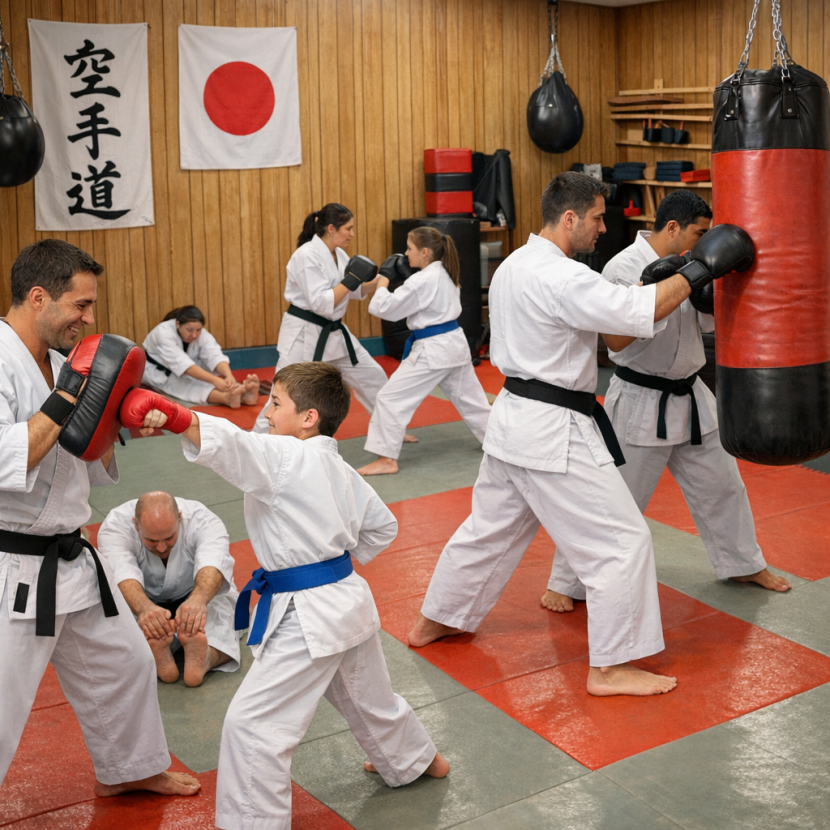
EFFECTIVE KARATE TRAINING TECHNIQUES FOR EVERY PRACTITIONER
Effective Karate Training Techniques for Every Practitioner – Explore effective karate training techniques that enhance skills and confidence. Learn tips, drills, and insights for all levels. In short, this guide explains karate training techniques in plain language.
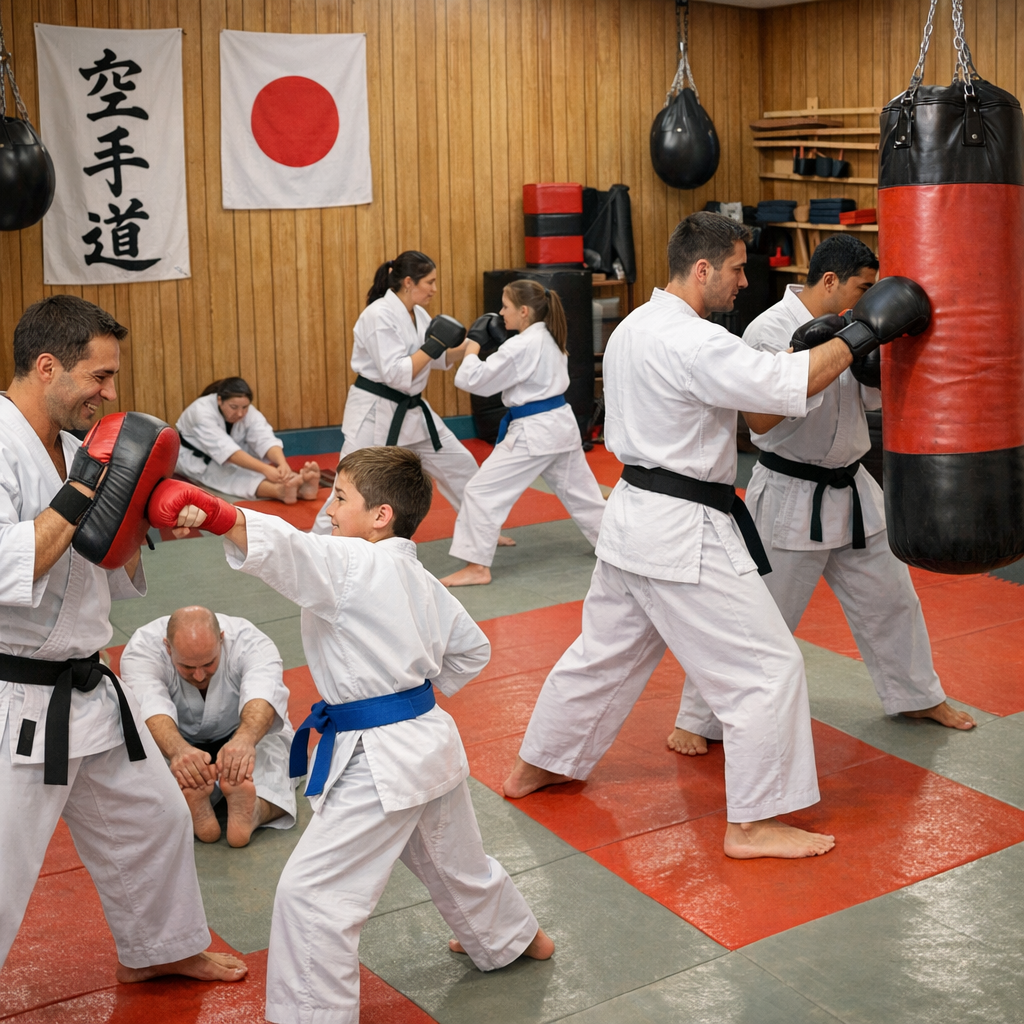
karate training techniques: Direct answer
Karate training techniques include various drills, sparring, and kata practice. These methods help improve skills, strength, and confidence in martial arts.
karate training techniques: Key Takeaways
- Karate training techniques enhance physical fitness and mental discipline.
- Regular practice of kata improves technique and focus.
- Sparring helps develop timing and reflexes.
- Incorporating drills can make training more engaging and effective.
- Understanding the philosophy behind karate can deepen practice.
What’s New Today
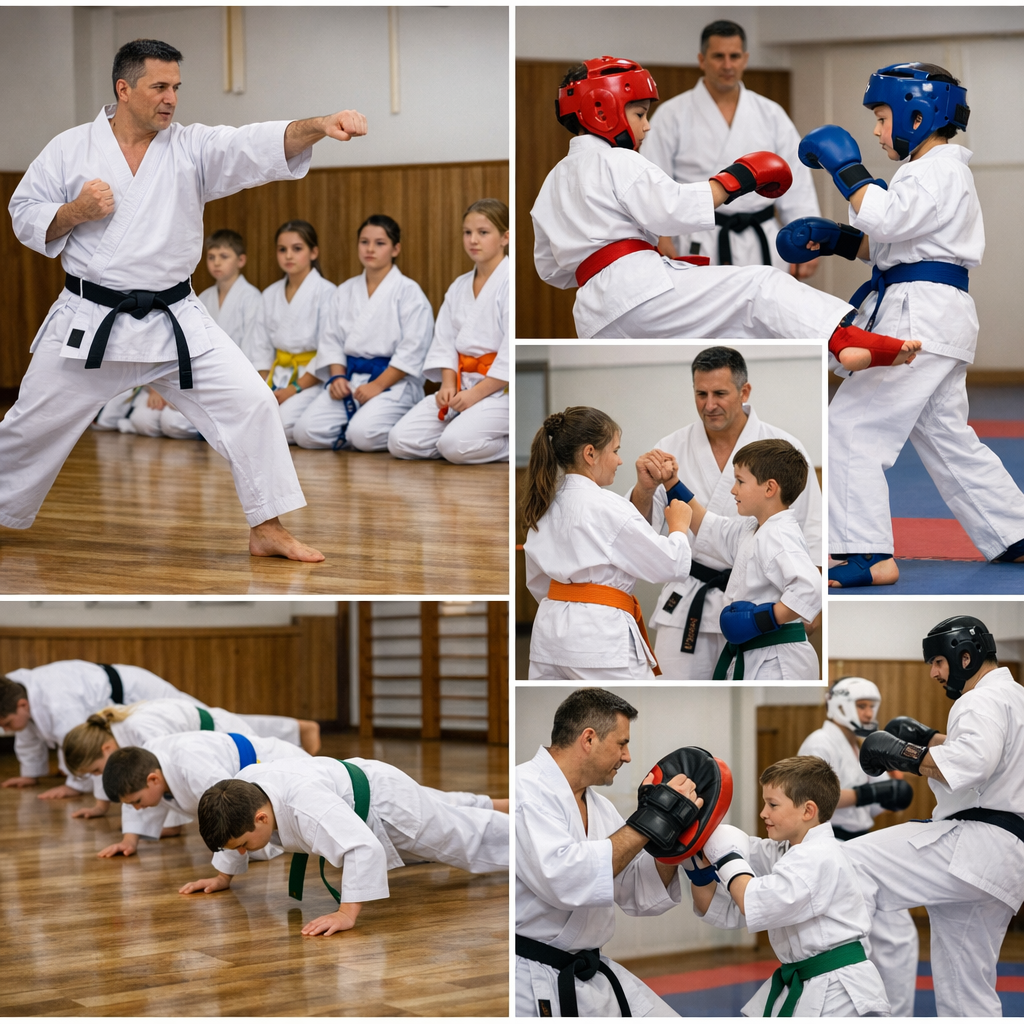
Karate training techniques are evolving. Many dojos now incorporate modern training methods alongside traditional practices. This blend helps students stay engaged and improve faster. For instance, the use of technology, such as video analysis, allows instructors to provide immediate feedback, enhancing the learning experience [1].
Overview
Watch on YouTube
Karate training techniques are essential for developing skills in martial arts. They include various drills, sparring, and kata practice. Each method serves a unique purpose in enhancing a student’s abilities. Drills help in mastering specific techniques, while sparring provides practical application of those techniques in a controlled environment. Kata, on the other hand, serves as a way to preserve the art’s history and philosophy, allowing students to connect with the roots of karate [2].
Key Features
- Drills: Repetitive exercises that focus on specific techniques, such as punches, kicks, and blocks. These drills are crucial for muscle memory and precision.
- Sparring: Controlled fighting practice to develop timing and reflexes. Sparring can vary in intensity, from light contact to full contact, depending on the students’ skill levels.
- Kata: Pre-arranged forms that teach technique and discipline. Each kata has its own set of movements and applications, which can be practiced solo or in pairs.
- Conditioning: Exercises to build strength and endurance. Conditioning is vital for improving overall performance and reducing the risk of injury during training [3].
Pros and Cons
Pros
- Improves physical fitness and flexibility, which are essential for executing techniques effectively.
- Builds confidence and self-discipline, as students learn to set and achieve goals.
- Enhances self-defense skills, providing practical tools for personal safety.
- Fosters a sense of community and belonging within the dojo, which can be beneficial for mental health [4].
Cons
- Can be physically demanding, especially for beginners who may struggle with the intensity of training.
- Injuries may occur without proper technique, highlighting the importance of learning under qualified instructors.
- Requires commitment and consistency, which can be challenging for those with busy schedules.
- Some students may feel overwhelmed by the complexity of techniques and forms, leading to frustration.
Key Insights
According to a study, martial arts training can improve mental health by reducing stress and anxiety. Karate training techniques not only focus on physical skills but also promote mental well-being [2]. The discipline required in karate can translate to other areas of life, helping students manage stress more effectively.
Patterns
Many students find that consistent practice leads to noticeable improvements. For example, practicing kata regularly can enhance muscle memory and technique. As a result, students often feel more confident during sparring sessions. This confidence can lead to better performance and a greater willingness to engage in challenging situations [5].
Controversies
Some argue that traditional karate training methods are outdated. They believe that modern techniques should be integrated to keep students engaged. However, others maintain that traditional methods provide a strong foundation for all martial artists. The debate often centers around the balance between preserving the art’s heritage and adapting to contemporary training needs [6].
Blind Spots
Many students overlook the importance of mental training. Karate is not just about physical skills; it also requires focus and discipline. Incorporating meditation or visualization can enhance overall performance. Mental training techniques, such as mindfulness, can help students stay present during practice and competitions, leading to improved outcomes [7].
Opportunities
Karate training techniques can be adapted for various age groups. For example, children’s classes often focus on fun drills that teach basic skills. This approach helps keep young students engaged while learning important techniques. Additionally, adult classes can emphasize fitness and self-defense, catering to the specific needs of different demographics [8].
Advanced Breakdown
Advanced students can benefit from specialized training techniques. For instance, they may focus on specific sparring strategies or advanced kata. This targeted approach helps refine their skills and prepares them for competitions. Advanced training often includes scenario-based drills that simulate real-life situations, enhancing adaptability and decision-making skills [9].
Comparison
Compared to other martial arts, karate training techniques emphasize striking and self-defense. While judo focuses on grappling, karate teaches students how to use punches and kicks effectively. This difference makes karate unique in its approach to martial arts. Additionally, karate’s emphasis on kata sets it apart from many other martial arts, which may prioritize sparring or self-defense techniques [10].
What People Are Asking
Many people want to know how to improve their karate skills quickly. The answer lies in consistent practice and focusing on both physical and mental aspects of training. Engaging with instructors for personalized feedback can also accelerate skill development [11].
Popular Searches and Questions
Common searches include “best karate drills” and “how to improve sparring skills.” These topics highlight the importance of targeted training techniques in karate. Additionally, many students seek information on how to prepare for competitions, indicating a desire to advance their skills and test their abilities in a competitive environment [12].