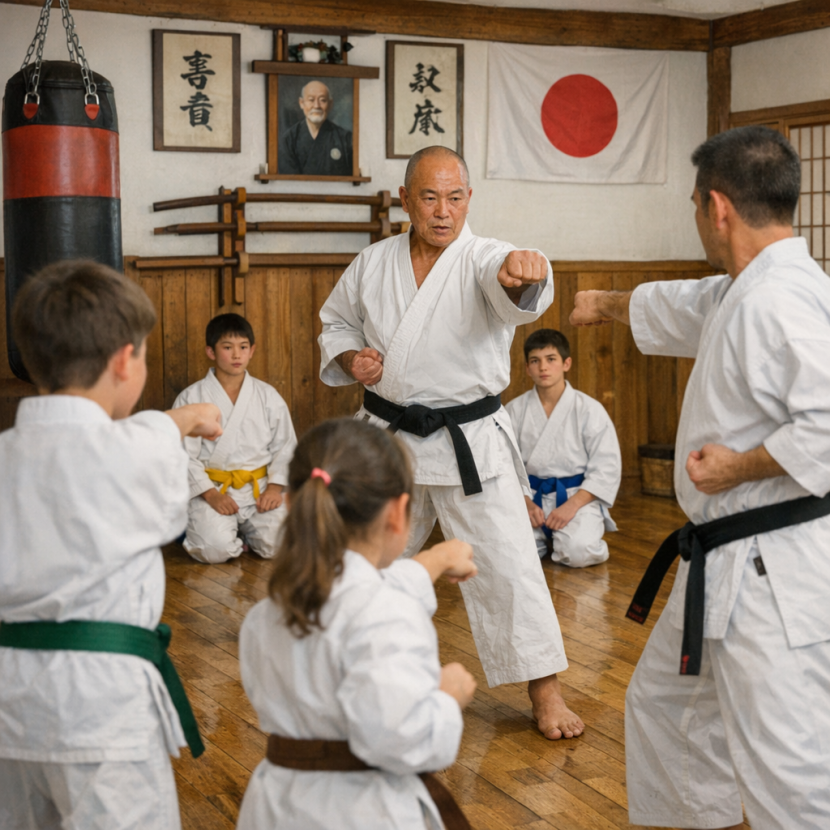
KARATE: A JOURNEY THROUGH HISTORY AND EVOLUTION
Karate: A Journey Through History and Evolution – Explore the rich history and evolution of karate, from its origins in Okinawa to its modern-day practices. Discover key features, controversies, and insights. In short, this guide explains Karate history and evolution in plain language.
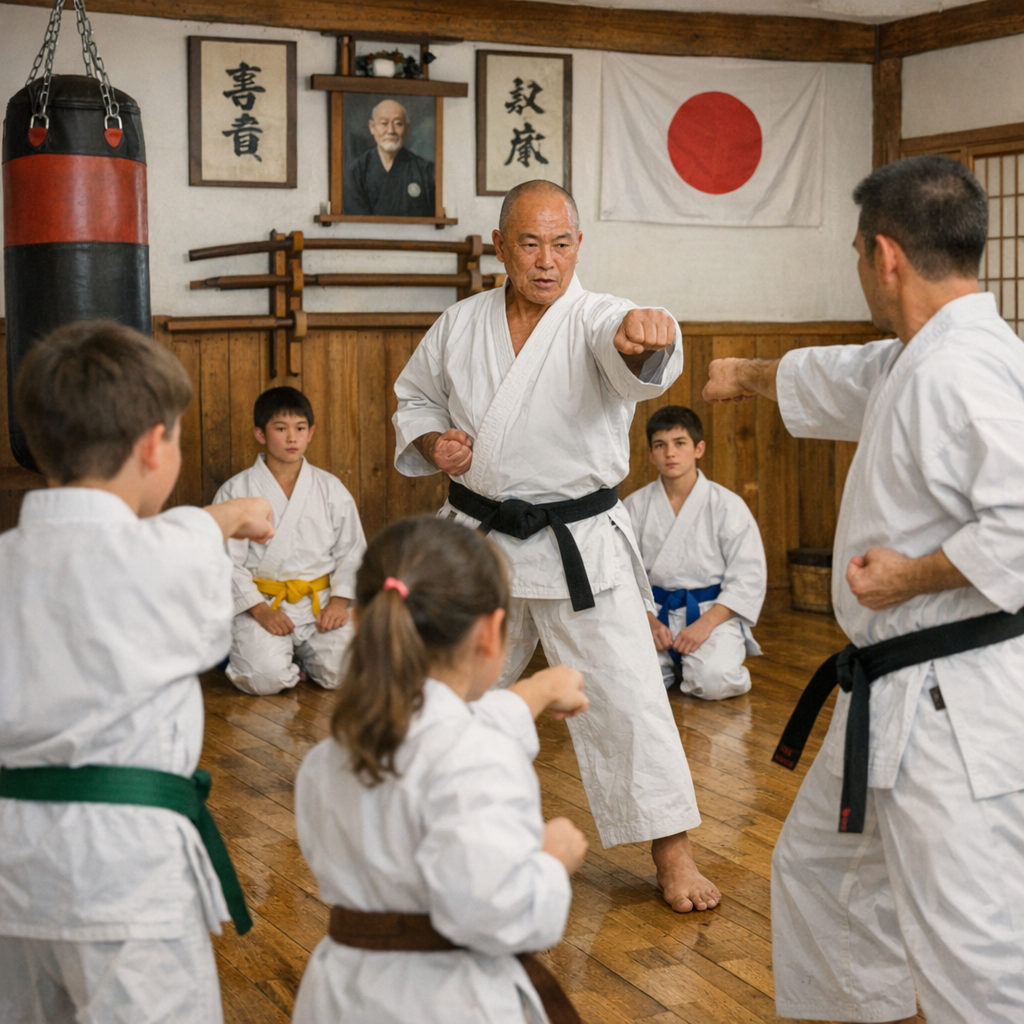
Karate history and evolution: Direct answer
Karate has a rich history that began in Okinawa and evolved through various influences. Today, it is practiced worldwide, blending traditional techniques with modern training methods.
Karate history and evolution: Key Takeaways
- Karate originated in Okinawa, influenced by local and Chinese martial arts.
- The 1920s saw karate's introduction to Japan, leading to various styles.
- Karate has evolved into a global sport with millions of practitioners.
- Modern karate blends traditional techniques with contemporary training methods.
Overview
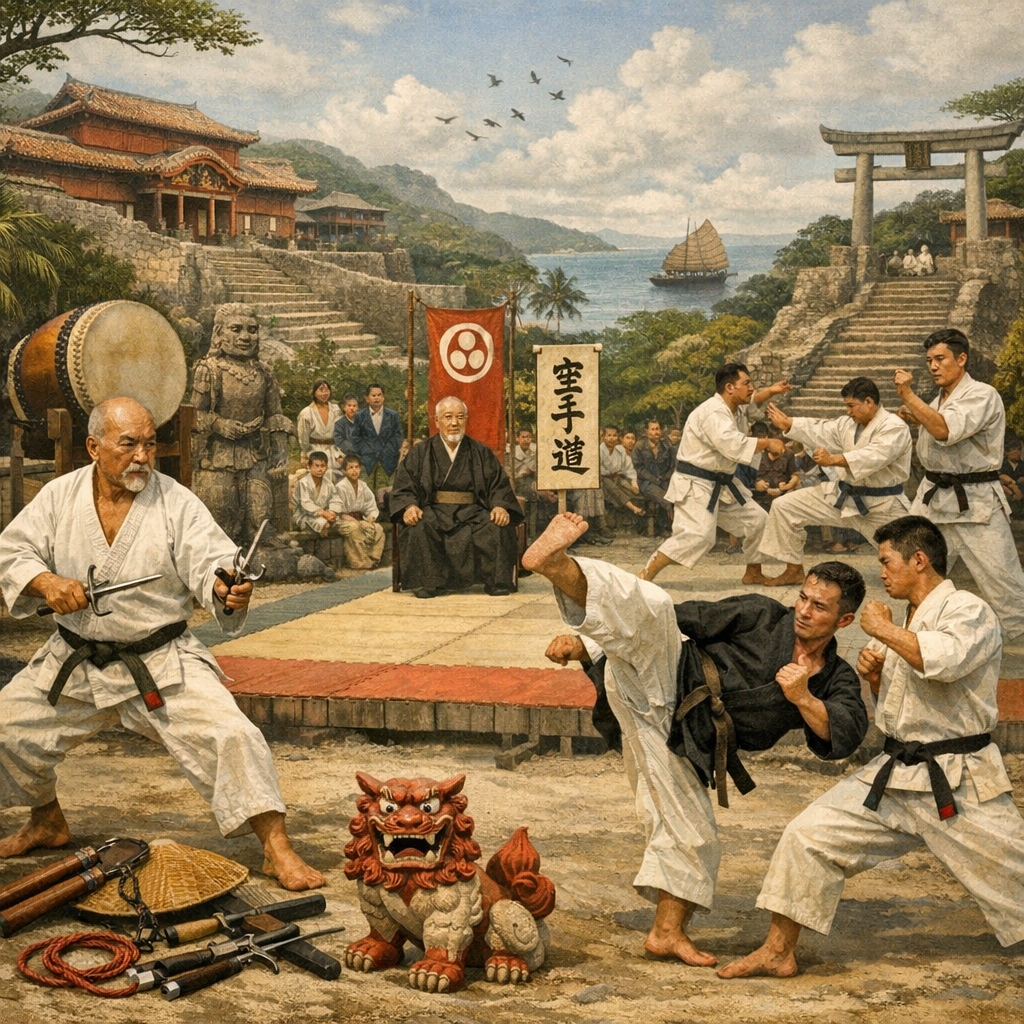
Karate history and evolution trace back to the islands of Okinawa, Japan. This martial art combines indigenous fighting styles with influences from Chinese martial arts, particularly the Fujian White Crane style, which is believed to have significantly shaped early karate techniques. The term ‘karate’ means ’empty hand’ in Japanese, reflecting its focus on unarmed combat. The development of karate was also influenced by the need for self-defense among the Okinawan people, who faced restrictions on weapons during the Ryukyu Kingdom era [1].
Key Features
Watch on YouTube
Karate is characterized by its striking techniques, including punches, kicks, knee strikes, and elbow strikes. Practitioners also learn blocking and defensive maneuvers, which are essential for effective self-defense. Training often includes kata, which are pre-arranged forms that help students practice techniques in a structured way. Kata serves not only as a means of preserving techniques but also as a way to instill discipline and focus in practitioners [2]. Additionally, kumite, or sparring, is a critical component of karate training, allowing students to apply their skills in a controlled environment.
Pros and Cons
- Pros: Improves physical fitness, enhances self-discipline, and builds confidence. Karate training can also promote mental well-being by reducing stress and improving concentration [3].
- Cons: Can lead to injuries if not practiced safely, and some may find the training intense. The competitive aspect of karate may also lead to pressure among students, particularly in tournament settings [4].
What’s New Today
Today, karate is a global phenomenon, with millions of practitioners worldwide. It was included in the Olympic Games for the first time in 2021, showcasing its popularity and the growing recognition of martial arts as a legitimate sport. Many schools now incorporate modern training techniques, blending traditional practices with contemporary fitness trends, such as high-intensity interval training (HIIT) and mindfulness practices [5]. This evolution reflects a broader trend in martial arts, where traditional forms are adapted to meet the needs of modern practitioners.
Patterns and Controversies
As karate evolved, various styles emerged, each with unique philosophies and techniques. This diversity sometimes leads to debates among practitioners about which style is superior. For instance, some argue that traditional styles maintain the essence of karate, while others advocate for more modern interpretations that emphasize practicality and effectiveness in self-defense situations [6]. Additionally, the commercialization of karate has raised concerns about preserving its traditional values. The proliferation of karate schools and competitions has led to a focus on profit rather than the art’s cultural heritage, prompting discussions about how to balance commercial interests with the preservation of karate’s roots [7].
Key Insights
Karate’s evolution reflects broader cultural exchanges. For example, the introduction of karate to Japan in the 1920s led to the establishment of several schools, each favoring different techniques and training methods [1]. The influence of prominent figures, such as Gichin Funakoshi, who is often regarded as the father of modern karate, played a crucial role in shaping the art’s development in Japan. Funakoshi’s emphasis on character development and the philosophical aspects of karate helped to elevate its status beyond mere physical combat [8].
Advanced Breakdown
Karate can be divided into several main styles, including Shotokan, Goju-Ryu, Shito-Ryu, and Wado-Ryu. Each style emphasizes different techniques and philosophies. For instance, Shotokan focuses on powerful, linear movements, while Goju-Ryu incorporates circular techniques and breathing exercises. Shito-Ryu is known for its versatility, combining elements from both hard and soft styles, while Wado-Ryu emphasizes fluidity and the avoidance of direct confrontation [9]. Understanding these distinctions can enhance a practitioner’s training experience and appreciation for the art.
Comparison
Karate is often compared to other martial arts, such as Taekwondo. While both emphasize striking techniques, Taekwondo places a greater emphasis on high, fast kicks, often utilizing the legs more than the arms. Karate, on the other hand, includes a wider variety of strikes and defensive techniques, making it a more comprehensive martial art in terms of hand-to-hand combat [10]. Additionally, the philosophical underpinnings of each art differ, with karate often focusing on self-discipline and personal growth, while Taekwondo may emphasize competition and sport.
What People Are Asking
Many people are curious about the differences between karate styles and their origins. Understanding these differences can enhance one’s training experience and appreciation for the art. Questions such as ‘What are the key principles of each karate style?’ and ‘How do cultural influences shape karate practice?’ are common among new practitioners and enthusiasts alike [11].
Popular Searches and Questions
Common searches include ‘What is the best karate style?’ and ‘How can I start learning karate?’ These questions reflect a growing interest in martial arts as a means of fitness and self-defense. Many individuals are also looking for information on the benefits of karate for children, as parents seek activities that promote physical health and character development [12].